Polypropylene and HDPE Rope
PP and HDPE synthetic rope and netting, including nylon-PP blends, for marine, agricultural and general industrial use where a lightweight, moisture-resistant rope is needed.
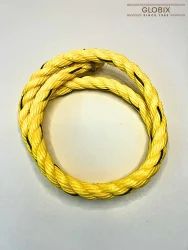
- Material
- Polypropylene (PP), high-density polyethylene (HDPE), and nylon-PP blends
- Construction
- Twisted (3-strand) and braided; monofilament or multifilament/split-film
- Buoyancy
- Floats on water — lower density than natural fibre rope
- Colour
- Natural, black or coloured on request
- Put-Up
- Coils, reels or drums, to specified length
- HS Heading
- 5607 — Twine, cordage, ropes and cables, of synthetic fibre
Monofilament vs Multifilament, Standard vs UV-Stabilized
PP and HDPE rope is specified by filament type and UV treatment rather than a fibre grade, since these determine how the rope handles, how long it lasts outdoors, and what it costs.
Split-Film / Multifilament
Made from many fine filaments twisted or braided together for a softer hand-feel, better grip and more flexibility. The common choice for general handling, agricultural tying and rope that will be knotted or handled frequently.
Monofilament Construction
Made from thicker single filaments per strand, giving a stiffer, more abrasion-resistant rope at typically lower cost. Common in agricultural baler twine and heavier-duty tie-down applications where hand-feel matters less than cost and abrasion resistance.
UV-Stabilized Grade
PP degrades faster than most synthetics under sustained sun exposure; a UV-stabilized additive extends outdoor service life for rope used in agriculture, marine and construction settings. Confirm whether UV stabilization is required for your application before ordering standard-grade rope for permanent outdoor use.
Construction Types Available
3-Strand Twisted
The standard PP/HDPE rope construction for general marine, agricultural and industrial tie-down use, in a wide range of diameters.
Braided Rope
A rounder, kink-resistant braided construction often preferred for marine and handling applications where the rope runs through blocks or fittings.
Netting
PP and HDPE netting in various mesh sizes for agricultural shade/windbreak, fencing, marine and general containment use.
Where Polypropylene and HDPE Rope Is Used
Packaging
PP and HDPE rope is supplied coiled, reeled or on drums for bulk orders, in the length and diameter specified. Synthetic rope does not carry the fumigation certificate requirements that apply to natural fibre shipments, which can simplify export documentation for some destinations — confirm the applicable requirement for your specific shipment via our export page.
Common Questions
What is the difference between monofilament and multifilament PP rope?
Multifilament (split-film) PP rope is made from many fine filaments twisted together for a softer feel and better grip, and is preferred for general handling and agricultural tying. Monofilament rope uses thicker single filaments per strand for a stiffer, more abrasion-resistant and typically lower-cost rope, common in baler twine and heavier tie-down use.
Does polypropylene rope float?
Yes — polypropylene has a lower density than water, so PP rope floats, which is why it is widely used in marine and fishing applications where a sinking rope would be a problem.
Is PP rope UV-resistant?
Standard polypropylene degrades faster than most other synthetics under sustained UV exposure. UV-stabilized grades are available and recommended for any rope that will be in permanent outdoor use, such as agricultural or marine tie-down left in place for extended periods.
Get a quote on Polypropylene and HDPE Rope
Send your diameter, ply, quantity and destination and we will confirm pricing and lead time.
Request a Quote